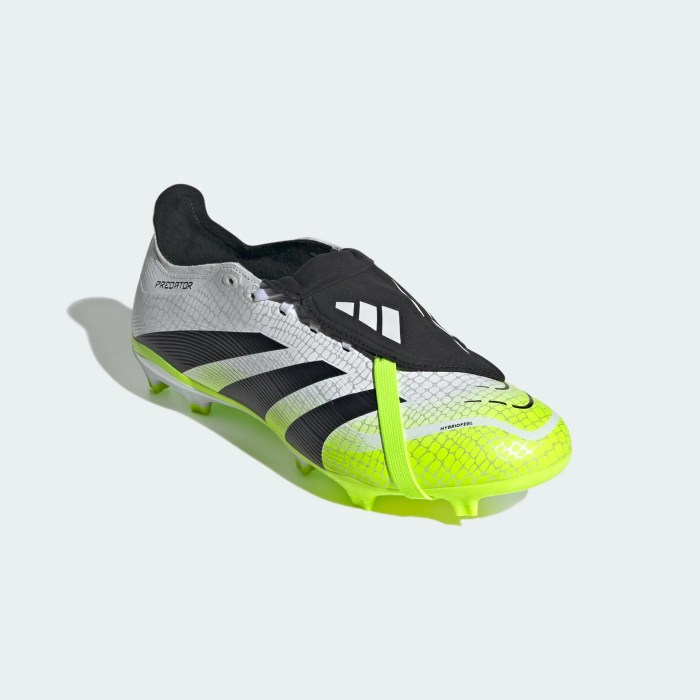
Gym shoes for walking are more than just a fashion statement; they play a crucial role in enhancing your walking experience. Choosing the right footwear can significantly impact your comfort, efficiency, and overall foot health, making it essential to understand what to look for. With the right gym shoes, you not only protect your feet from common issues but also elevate your performance during walks, whether leisurely or brisk.
This guide will delve into the importance of selecting quality gym shoes, key features to consider, and tips on maintaining them, ensuring you step out with confidence and style. From understanding fit to exploring popular trends, we’ve got you covered for all your walking shoe needs!
Importance of Choosing the Right Gym Shoes for Walking
Walking may seem like a simple activity, but the right footwear can significantly enhance your experience. Proper gym shoes provide essential support and cushioning, improving walking efficiency and overall comfort. When shoes fit well and meet your specific walking needs, you can enjoy longer walks without discomfort or pain.Wearing the wrong shoes can lead to various foot problems such as blisters, plantar fasciitis, and even joint pain.
These issues often stem from inadequate support or improper fit, which can cause your body to misalign with each step. Investing in quality gym shoes specifically designed for walking not only prevents these problems but also enhances your performance and enjoyment during walks.
Key Features of Gym Shoes for Walking
When choosing gym shoes for walking, several key features should be at the forefront of your decision-making process. These elements are crucial for ensuring comfort and performance.
- Cushioning: Adequate cushioning absorbs impact, reducing stress on your joints and feet during each step.
- Arch Support: Good arch support helps maintain proper foot alignment and reduces the risk of strain.
- Breathability: Shoes made from breathable materials keep your feet cool and dry, preventing discomfort and blisters.
- Weight: Lightweight shoes allow for easier movement, making long walks feel less strenuous.
| Brand | Key Features |
|---|---|
| Nike | Responsive cushioning, lightweight design, breathable mesh uppers |
| Adidas | Boost technology for energy return, durable construction, stylish aesthetics |
| Asics | Gel cushioning for shock absorption, excellent arch support, moisture-wicking materials |
| New Balance | Customizable fit, ample cushioning, stability features for overpronators |
How to Fit Gym Shoes Properly
Finding the right fit for your gym shoes is essential for comfort and performance. Start by measuring your foot size accurately. This can be done by standing on a piece of paper and tracing your foot, then measuring the length and width.It’s important to try on shoes later in the day when your feet are naturally swollen. This ensures that you choose a pair that accommodates any swelling you might experience during walks.
When trying on shoes, pay attention to the following tips:
- Toe Space: There should be about a thumb’s width of space between your longest toe and the end of the shoe.
- Heel Snugness: Your heel should fit snugly in the back of the shoe without slipping.
- Overall Comfort: Walk around in the shoes to ensure there are no pressure points or discomfort.
Maintenance and Care for Walking Shoes
Proper maintenance can significantly extend the lifespan of your gym shoes. Here’s a step-by-step procedure for cleaning and caring for them:
- Cleaning: Wipe the outer surface with a damp cloth and mild detergent. Avoid soaking them.
- Drying: Let the shoes air dry away from direct heat sources.
- Storage: Store them in a cool, dry place. Avoid cramming them into a tight space.
To know when to replace your walking shoes, look for signs of wear such as uneven tread, visible creasing, or a lack of cushioning. Generally, it’s advisable to replace them every 300 to 500 miles of walking.
Recommendations for Gym Shoes for Different Walking Styles
Different walking styles require specific features in shoes. For casual walking, comfort and flexibility are key, while power walking demands more support and stability.
- Casual Walking: Look for lightweight shoes with ample cushioning.
- Power Walking: Choose shoes with firm support and durable outsoles.
Here are some recommended shoe models for various walking purposes:
| Walking Style | Recommended Shoe Model |
|---|---|
| Casual Walking | Adidas Ultraboost |
| Power Walking | New Balance 860 |
| Treadmill Walking | Nike Air Zoom Structure |
| Trail Walking | Merrell Moab 2 |
Clothes and Shoes That Complement Gym Shoes for Walking
Selecting the right clothing to pair with your walking shoes enhances both comfort and style. Fabrics like moisture-wicking materials keep you dry, while breathable designs allow for better airflow.When choosing socks, opt for those made from synthetic fibers that wick away moisture and prevent blisters. Make sure they fit snugly without being too tight.Layering clothing is another effective strategy, especially in varying weather conditions.
A lightweight, breathable outer layer can provide protection against the elements while keeping you comfortable during your walks.
Popular Trends in Walking Shoes
The world of gym shoe design is constantly evolving, with technological advancements enhancing comfort and performance. Features like energy-return foam and adaptive fit systems are becoming increasingly common in modern walking shoes.Trending colors and styles this season include vibrant hues and minimalist designs, appealing to both fashion-conscious individuals and those seeking functionality. The influence of fashion on gym shoes means that many brands now focus on aesthetics while ensuring performance remains a priority, allowing walkers to express their personal style while staying active.
Conclusion
In summary, investing in the right gym shoes for walking can transform your walking experience, providing the comfort and support you need. By keeping in mind the essential features and proper maintenance tips, you’ll be well-equipped to make informed decisions that benefit your feet and your overall health. Step into your next adventure with the perfect pair of walking shoes!
FAQ Section
What features should I look for in gym shoes for walking?
Look for cushioning, arch support, breathability, and a flexible sole to ensure comfort and stability.
How often should I replace my walking shoes?
It’s generally recommended to replace walking shoes every 300 to 500 miles or when you notice signs of wear.
Can I use running shoes for walking?
While some running shoes can work for walking, walking shoes are specifically designed for the motion and posture of walking.
Is it better to buy gym shoes for walking online or in-store?
Buying in-store allows for trying on and assessing fit, while online may offer a broader selection and better prices.
How do I clean my gym shoes for walking?
Most gym shoes can be cleaned with mild soap and water; avoid harsh chemicals and machine washing unless specified by the manufacturer.